
Generational Wealth, Lineage Stability, and the Nigerian Diaspora Connection
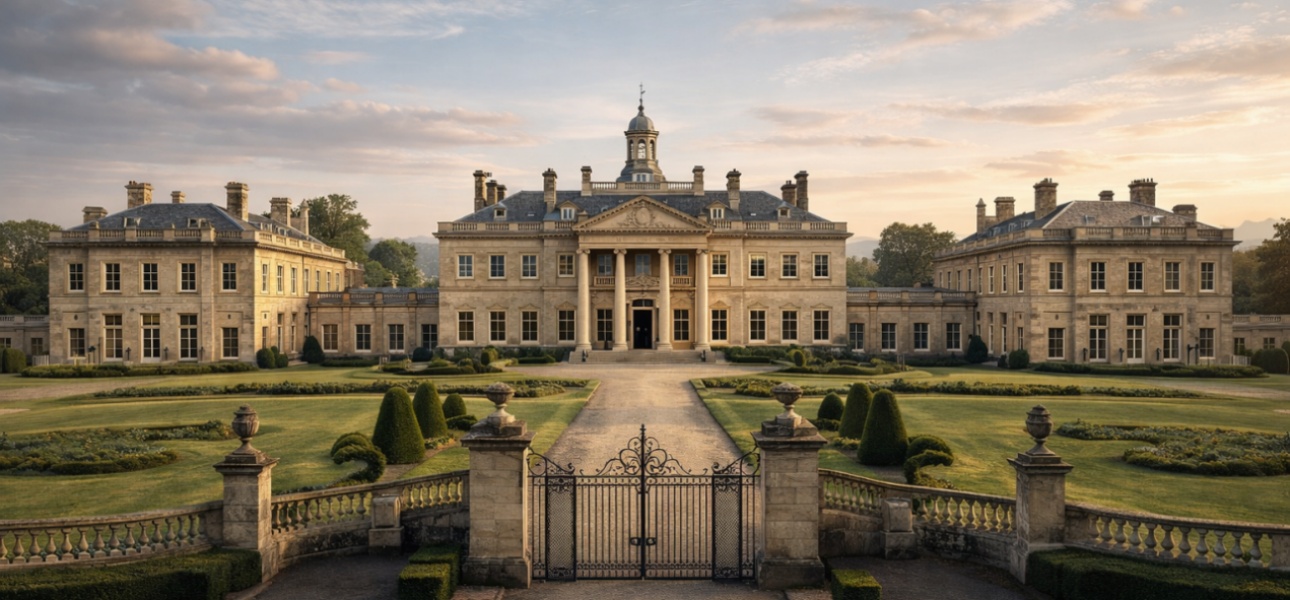
Real estate, when understood correctly, is not a purchase — it is a continuity system. It is the most tangible form of inheritance planning, a physical expression of generational foresight. Across the world, every civilisation that has sustained power, dignity, and social identity over centuries has done so through land and property control.

At UFIT HOMES, we view legacy real estate not as nostalgia, but as wealth architecture. The same principles that built enduring families across Europe, the Middle East, and Asia are universal — discipline, structure, and succession — but they must now find full expression within the Nigerian reality.
Principle One: Institutionalising Land as the Foundation of Wealth
Across centuries, powerful families have treated land as the nucleus of wealth — not as an expense, not as a quick flip, but as the root of all other enterprises.
The Rothschild family began as financiers but understood the stabilising power of real estate. While their banking network created liquidity, their land holdings in Europe secured permanence — estates, vineyards, and heritage properties that stood through wars and market collapses. This discipline turned capital into a dynasty.
Similarly, The Crown Estate in the United Kingdom represents perhaps the most structured expression of land institutionalisation.
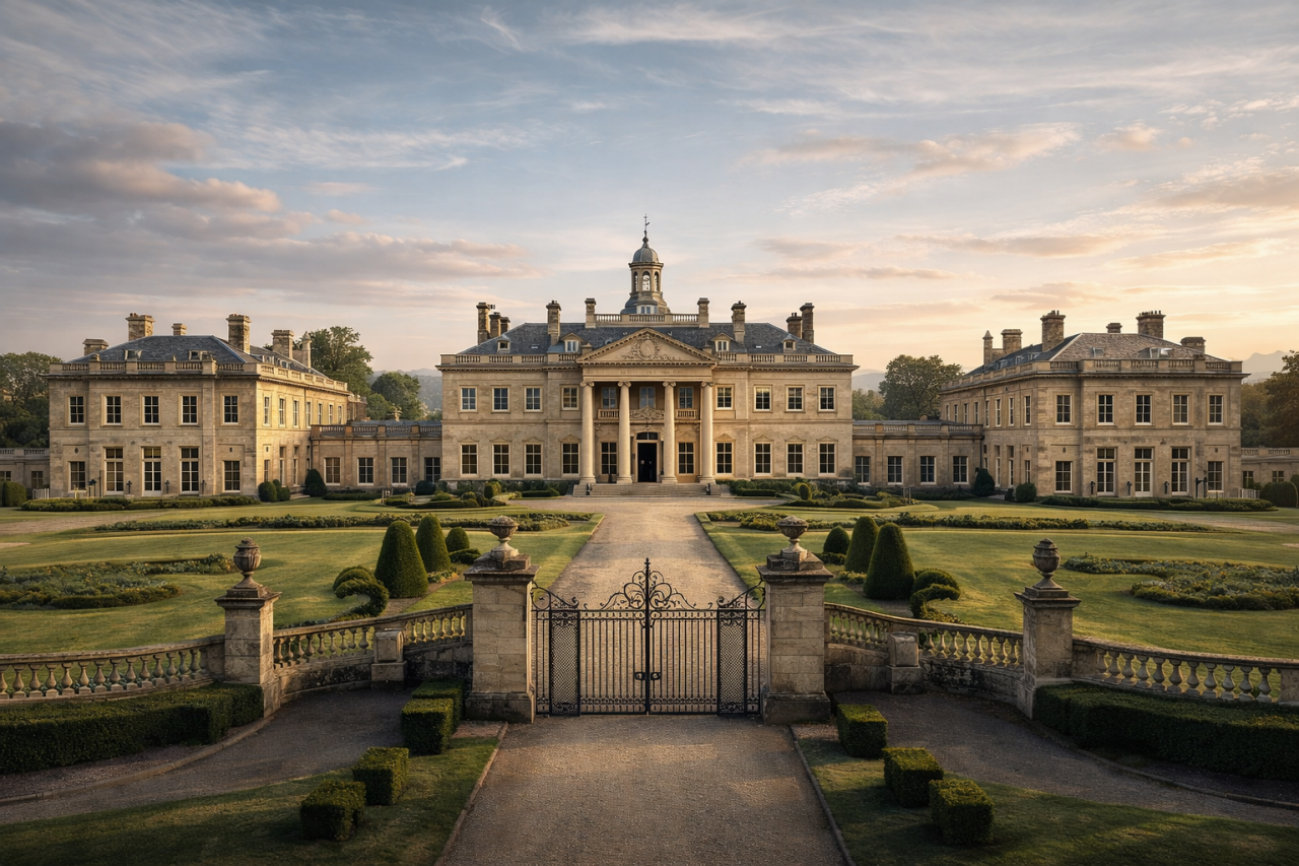
These cases reveal a pattern — great families don’t merely own land, they institutionalise it. They formalise it legally, manage it professionally, and protect it through generational governance. That is where many Nigerian families have historically fallen short: property is often emotional, undocumented, or fragmented through inheritance.
Principle Two: Visionary Development — Turning Land into Legacy
he second common thread across generational dynasties is the vision to transform land from dormant space into productive legacy.
Consider the Agnelli family of Italy and the Al Maktoum family of Dubai. In both cases, land was not merely held — it was strategically developed in alignment with long-term national and urban evolution.

These models show us that true legacy is not passive ownership; it is active transformation. To the Nigerian diaspora, the lesson is direct: your investment is not just to “own land back home,” but to participate in shaping Nigeria’s physical and economic future.
Principle Three: Local Roots, Lasting Power
While global examples inspire, their deepest relevance is in what they prove — that wealth preservation depends on land where your identity is rooted. Nigeria must be that centre of gravity for her diaspora.
The Dangote family exemplifies this in modern African context. Though globally connected, their wealth engine and real estate holdings are grounded in Nigeria.
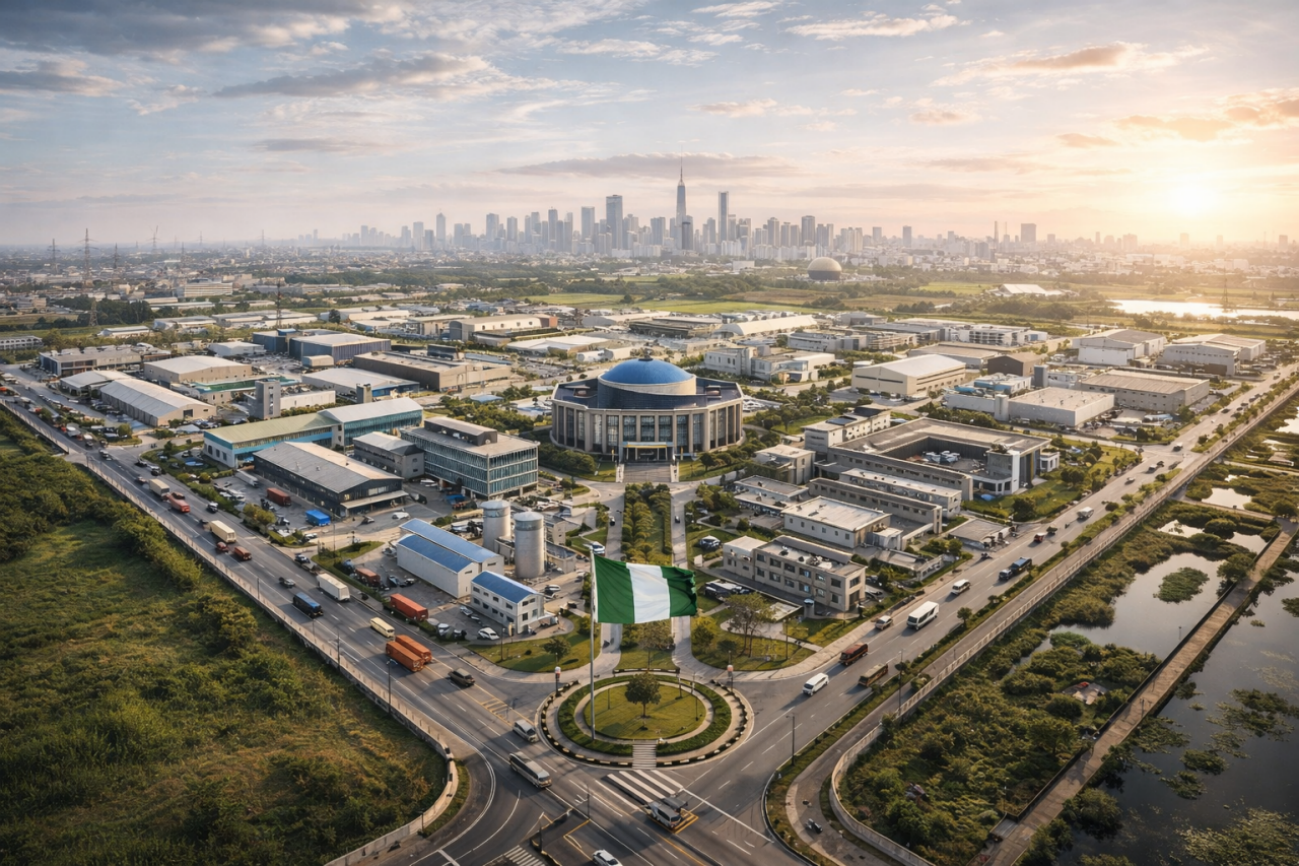
Real estate, in that sense, is not only economic — it is existential. For diaspora Nigerians, it restores presence, belonging, and voice in the national growth story.
Because real estate, when planned correctly, does not die — it simply transfers.

At UFIT HOMES, our mandate is to help you structure this legacy intentionally — not emotionally; transparently — not blindly; institutionally — not casually. If your goal is to secure generational wealth rooted in Nigerian soil, let us guide you with clarity, due diligence, professional verification and long-term strategy.